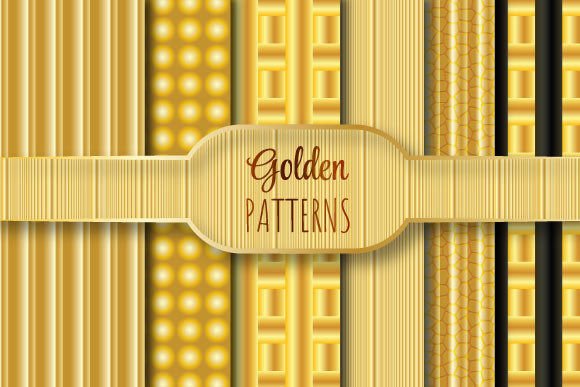
Golden Patterns: A Strategic Approach to Seamless Design and Workflow Integration
In the world of design, productivity, and creative workflows, consistency and efficiency are often the keys to success. One powerful tool that can help achieve these goals is Golden Patterns. These patterns are not just visual elements; they are strategic frameworks that can be applied across various stages of a project or task. Whether you're working on a branding initiative, a digital product, or a personal creative endeavor, Golden Patterns offer a structured way to maintain coherence and streamline your process.
Understanding Golden Patterns
Golden Patterns refer to a set of repeatable design elements or methodologies that align with the principles of the golden ratio—a mathematical concept found in nature, art, and architecture. These patterns are designed to be seamlessly repeating, which makes them ideal for use in vector graphics, print materials, and digital assets. Their inherent structure allows for scalability and adaptability, making them versatile across different mediums and applications.
When integrated into a broader workflow, Golden Patterns serve as a foundation for maintaining visual harmony and functional clarity. They can be used as a starting point for design thinking, a guide during the execution phase, or a reference for refining final outputs. This flexibility ensures that Golden Patterns are not limited to a single use case but can be adapted to fit a wide range of needs.
Where Golden Patterns Fit in the Workflow
Golden Patterns are most effective when they are used in alignment with the specific phases of a project. For instance, during the planning stage, they can act as a visual roadmap, helping designers and creators establish a consistent aesthetic and structural framework. In the execution phase, they provide a template for creating scalable, repeatable content. And in the review and refinement stage, they offer a benchmark for evaluating quality and consistency.
One of the key strengths of Golden Patterns is their ability to support multiple stages of a workflow simultaneously. Whether you're designing a website, developing a brand identity, or creating marketing materials, these patterns can be layered into your existing processes without disrupting the flow. This makes them an excellent choice for professionals who need to balance creativity with efficiency.
Use Cases Across Industries
The application of Golden Patterns extends beyond traditional design fields. Here are a few examples of how they can be used in different contexts:
- Branding and Marketing: Golden Patterns can be used to create cohesive visual identities that resonate with target audiences. By applying these patterns to logos, packaging, and promotional materials, businesses can ensure a unified look and feel across all touchpoints.
- Digital Product Development: In web and app design, Golden Patterns can guide layout structures, color schemes, and typography choices. This helps in creating user-friendly interfaces that are both aesthetically pleasing and functionally sound.
- Education and Content Creation: Teachers and content creators can use Golden Patterns to organize lesson plans, infographics, and educational materials. The structured approach enhances readability and engagement, making complex information more accessible.
- Small Business Operations: Entrepreneurs and small business owners can leverage Golden Patterns to streamline their branding, marketing, and customer communication strategies. This leads to more efficient operations and better brand recognition.
By understanding how Golden Patterns fit into different workflows, users can unlock new levels of productivity and creativity. The key is to identify where these patterns can add the most value and integrate them accordingly.
Integration with Other Tools and Resources
Golden Patterns are not meant to replace other tools and resources but to complement them. When used in conjunction with design software like Adobe Illustrator, InDesign, or Figma, they can significantly enhance the efficiency of the creative process. These tools allow for precise control over vector elements, ensuring that Golden Patterns remain scalable and adaptable across different formats.
Additionally, Golden Patterns can be combined with other design methodologies such as flat design, minimalism, and typographic hierarchy to create visually compelling and functionally effective designs. This integration not only improves the overall quality of the output but also supports long-term usability and maintenance.
For those working in collaborative environments, Golden Patterns can serve as a shared language or framework that aligns team members around common design goals. This promotes consistency and reduces the risk of miscommunication or design drift.
Practical Implementation Tips
Implementing Golden Patterns effectively requires careful planning and attention to detail. Here are some practical tips to help you get started:
- Define Your Purpose: Before incorporating Golden Patterns into your workflow, clearly define what you hope to achieve. Are you looking to improve consistency, enhance user experience, or streamline production?
- Start Small: Begin by applying Golden Patterns to a single project or task. This allows you to test their effectiveness and make adjustments as needed.
- Ensure Compatibility: Make sure that the patterns you choose are compatible with your chosen tools and platforms. This includes checking file formats, resolution requirements, and scalability options.
- Organize Your Assets: Keep your design files well-organized, especially if you're working with multiple versions or variations of Golden Patterns. This makes it easier to locate and reuse assets as needed.
- Monitor Quality Control: Regularly review your work to ensure that Golden Patterns are being applied consistently and effectively. This helps maintain high standards and avoids potential issues down the line.
- Iterate and Improve: Golden Patterns are not static—they should evolve as your projects and needs change. Continuously refine and update your approach based on feedback and real-world results.
By following these steps, you can ensure that Golden Patterns are integrated smoothly into your workflow, enhancing both the quality and efficiency of your work.
Conclusion
Golden Patterns offer a powerful yet flexible approach to design and workflow management. Whether you're a professional designer, a small business owner, or a hobbyist, these patterns can help you achieve greater consistency, efficiency, and creativity. By understanding how they fit into your existing processes and integrating them thoughtfully, you can unlock new possibilities and elevate the quality of your work.