More Spring Islamic Ethnic Patterns: A Fusion of Tradition and Modern Design
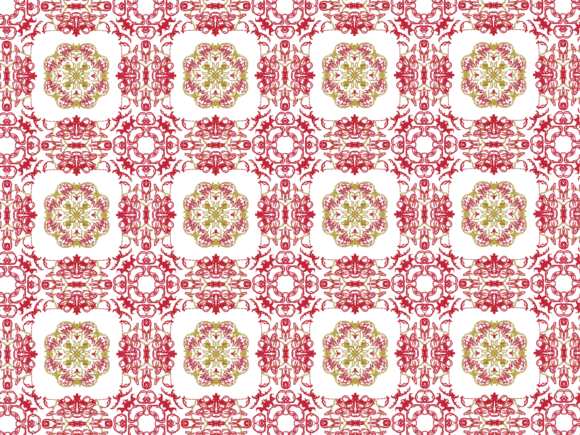
In an era where design is both a personal expression and a business strategy, the resurgence of traditional motifs in contemporary home decor has captured the imagination of designers, entrepreneurs, and everyday consumers alike. More Spring Islamic Ethnic Patterns stands at the intersection of cultural heritage and modern aesthetics, offering a rich visual language that resonates with today’s creative markets. These patterns, rooted in centuries-old Islamic artistry, are now being reimagined for a new generation of products—from accent pillows to duvets—making them more accessible than ever.
The Timeless Appeal of Islamic Pattern Design
Islamic geometric and floral patterns have long been celebrated for their intricate beauty and mathematical precision. These designs, often found in mosques, palaces, and historical textiles, reflect a deep connection between art and spirituality. Today, they continue to inspire designers who seek to blend tradition with innovation. More Spring Islamic Ethnic Patterns brings this legacy into the present by offering a curated collection of motifs that can be adapted to various product types.
What makes these patterns particularly relevant now is their ability to meet the growing demand for culturally rich yet versatile designs. As consumers become more conscious of the stories behind the products they buy, there is a clear shift towards items that tell a narrative. The Islamic aesthetic, with its emphasis on symmetry, repetition, and harmony, aligns perfectly with this trend.
From Concept to Product: How Patterns Can Be Used in POD Business Models
Print-on-demand (POD) businesses are revolutionizing the way products are created and sold. With platforms like Printify, creators can bring their designs to market without the need for large upfront investments. This model is especially beneficial for those looking to experiment with niche markets or test new ideas quickly.
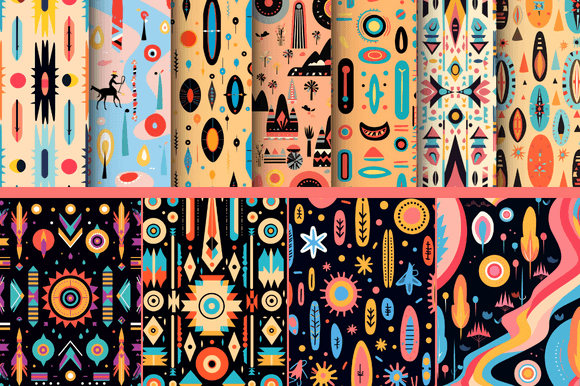
More Spring Islamic Ethnic Patterns offers a unique opportunity for POD entrepreneurs. The collection includes a wide range of color variations and pattern types, all at 300 DPI resolution, ensuring high-quality prints that maintain clarity and detail. Whether you're designing a set of shams or creating a custom duvet cover, these patterns provide a strong foundation for your product line.
One practical approach is to use existing patterns as backgrounds or base tiles to create full, repeatable designs. For example, a floral motif can be used as a background, with complementary geometric shapes added as accents. This method allows for greater flexibility while maintaining the integrity of the original design.
Designing with Purpose: Practical Tips for Using the Patterns
- Start with a Base Tile: Choose a pattern that serves as the main element and build around it. This ensures consistency across your product line.
- Experiment with Color Combinations: Use the variety of colors available in More Spring Islamic Ethnic Patterns to create different looks that appeal to diverse tastes.
- Test for Scalability: Ensure that your design works well at different sizes, from small accent pillows to larger bedding items.
- Focus on Quality: All patterns are provided at 300 DPI, which is ideal for print production and guarantees sharp, clean results.
By leveraging these strategies, creators can efficiently develop a product line that is both visually appealing and commercially viable. The key is to balance creativity with practicality, ensuring that each design meets the needs of the target audience.
Trends Shaping the Demand for Ethical and Cultural Design
As the world becomes more interconnected, there is a growing appreciation for cultural diversity in design. Consumers are increasingly seeking products that reflect their values, whether that means supporting ethical practices, promoting sustainability, or embracing cultural authenticity.
More Spring Islamic Ethnic Patterns taps into this desire by offering designs that are not only beautiful but also meaningful. These patterns can be used to create products that resonate with people from various backgrounds, fostering inclusivity and cross-cultural appreciation.
Additionally, the rise of social media and online marketplaces has made it easier for designers to showcase their work and connect directly with customers. This shift has led to a greater emphasis on storytelling in design, where the history and inspiration behind a pattern play a significant role in its appeal.
Why Printify Is the Perfect Partner for This Trend
When it comes to bringing your designs to life, Printify is an excellent choice. This platform offers seamless integration with major e-commerce sites, allowing creators to focus on design while Printify handles the logistics of printing and shipping.
Moreover, Printify provides access to a vast network of print partners, ensuring that your products are produced to the highest standards. This reliability is crucial when working with intricate patterns that require precise reproduction.
For those new to the POD space, Printify's user-friendly interface and extensive support make it an ideal starting point. Whether you're a seasoned designer or just beginning your journey, the platform offers the tools needed to succeed in today's competitive market.
Conclusion: Embracing Tradition in a Modern World
More Spring Islamic Ethnic Patterns represents more than just a collection of designs—it embodies a bridge between the past and the present. By incorporating these patterns into your product offerings, you’re not only tapping into a rich cultural heritage but also meeting the evolving demands of today’s market.
With the right approach, these patterns can be transformed into a wide array of products that are both stylish and meaningful. Whether you're an entrepreneur, a designer, or a hobbyist, there has never been a better time to explore the potential of Islamic ethnic patterns in your creative work.