Shibori Patterns: A Guide to Choosing and Using Digital Printables
Shibori Patterns are more than just decorative elements—they’re a gateway to creativity, versatility, and personal expression. These intricate, hand-dyed textile patterns have been used for centuries in Japan and continue to inspire modern crafters, designers, and artists. Whether you're a hobbyist looking to elevate your DIY projects or a professional seeking unique design assets, Shibori Patterns offer a rich source of inspiration. But like any creative resource, they come with nuances that can impact your experience and results.
What Are Shibori Patterns?
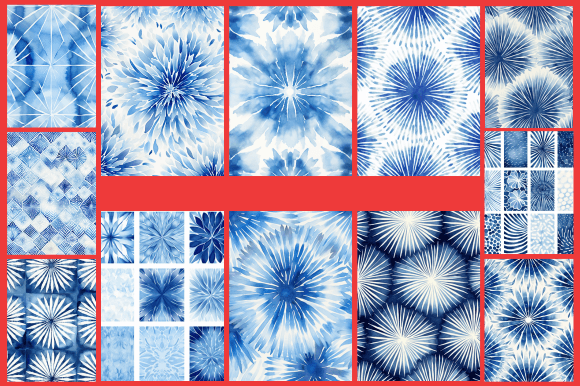
Shibori is a traditional Japanese resist-dyeing technique that creates complex, organic patterns through folding, twisting, and binding fabric before dyeing. While the original method involves physical manipulation of textiles, digital Shibori Patterns replicate this aesthetic in a printable format. These patterns are often used in crafting, stationery design, and home decor. They provide an easy way to incorporate the elegance of Shibori into everyday projects without the need for advanced sewing or dyeing skills.
When purchasing Shibori Patterns, it's important to understand what you're getting. Typically, these products include 12 high-resolution digital papers in a single zip file. Each pattern is designed for 8.5×11 inch printing, making them ideal for a wide range of applications such as gift wrapping, greeting cards, planners, invitations, scrapbook decorations, stickers, stationaries, wall art, and acrylic tumbler wraps.
Common Mistakes When Using Shibori Patterns
While Shibori Patterns are versatile and user-friendly, there are several common mistakes that can affect the final outcome. One of the most frequent errors is not checking the resolution and print quality of the files. Although the product claims to offer high-resolution images, the actual quality can vary depending on the printer and settings used. This can lead to blurry or faded prints that don’t match the intended design.
Another mistake is assuming that all Shibori Patterns will look the same across different devices. Colors can appear differently on various screens due to monitor calibration differences. This means that what looks vibrant on your screen may not translate accurately to paper. To avoid this, always preview the patterns on multiple devices and consider using color management tools if you're printing professionally.
A third pitfall is not considering the intended use of the patterns. For instance, a pattern designed for scrapbook decorations might not be suitable for wall art due to its scale or detail level. Understanding the purpose of each design helps ensure that you're using the right pattern for the right project, which enhances both efficiency and satisfaction.
How to Avoid These Mistakes
To get the best results from Shibori Patterns, start by carefully reviewing the product description and customer reviews. Look for details about the resolution, file types, and compatibility with different printers. If possible, request a sample print or view the patterns at a local print shop before making a purchase. This allows you to see how the colors and details translate to physical media.
Additionally, consider the environment in which you’ll be using the patterns. If you plan to create wall art or large-format prints, make sure the patterns are designed for those purposes. For smaller projects like greeting cards or stickers, focus on patterns that are clean, detailed, and scalable without losing clarity.
It’s also helpful to experiment with different printing settings. Adjusting the print quality, paper type, and ink settings can significantly impact the final appearance of your prints. Don’t be afraid to test a few options to find the best combination for your needs.
What to Check Before Making a Decision
Before purchasing Shibori Patterns, take a few moments to evaluate whether the product aligns with your goals. Ask yourself: What am I trying to achieve with these patterns? Do I need them for personal use or as part of a business? Are there specific design elements or color palettes that are important to me?
Also, check if the seller offers support or resources to help you get started. Some providers may include tutorials, tips, or examples of how to use the patterns effectively. This can be invaluable, especially if you're new to working with digital printables.
Finally, consider the long-term value of the product. Are the patterns versatile enough to be used across multiple projects? Will they remain relevant as your creative interests evolve? Investing in high-quality, adaptable patterns can save time and effort in the long run.
Conclusion
Shibori Patterns offer a beautiful and practical way to bring traditional craftsmanship into modern creative projects. By understanding their strengths and limitations, and by avoiding common pitfalls, you can maximize their potential and enjoy a more satisfying experience. With careful selection, thoughtful application, and a bit of experimentation, these patterns can become a valuable asset in your creative toolkit.