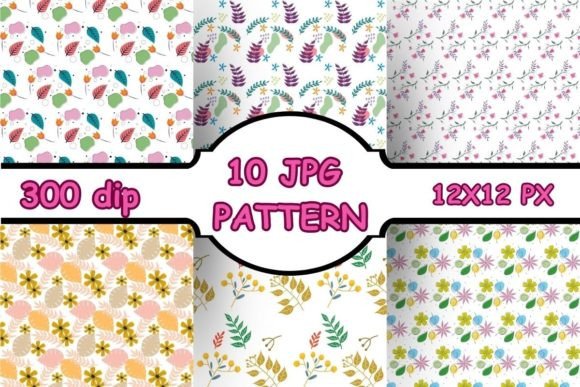
10 PNG Floral Patterns: A Guide to Choosing and Using Them Effectively
Floral patterns have long been a staple in design, offering a blend of elegance, nature-inspired beauty, and visual complexity. When it comes to 10 PNG Floral Patterns, they can be an invaluable resource for designers, marketers, and creators looking to add texture, depth, and character to their projects. Whether you're designing a website, creating a flyer, or crafting a product label, the right floral pattern can elevate your work and make it more engaging.
However, not all floral patterns are created equal. Choosing the wrong one can lead to visual clutter, poor usability, or even a lack of brand alignment. In this article, we’ll explore common mistakes people make when working with 10 PNG Floral Patterns, how these errors can impact your designs, and practical advice on how to avoid them.
Understanding 10 PNG Floral Patterns
10 PNG Floral Patterns refer to a collection of high-quality, scalable, and editable floral designs in PNG format. These patterns are typically designed to be used as backgrounds or overlays in various creative projects. They offer flexibility in terms of color, scale, and placement, making them ideal for both beginners and professionals.
One of the key advantages of using PNG files is that they support transparency, which allows for seamless integration into different design contexts without background issues. This makes them particularly useful for digital media such as websites, social media graphics, and print materials.
Mistakes to Avoid When Using 10 PNG Floral Patterns
While 10 PNG Floral Patterns can enhance your designs, there are several common pitfalls to watch out for:
- Overusing patterns: Applying too many floral patterns at once can create a chaotic look. It's important to use them sparingly and strategically.
- Ignoring resolution: Low-resolution PNGs may appear pixelated when scaled up, especially on larger screens or print materials.
- Not considering color contrast: A floral pattern that doesn’t complement your main content can distract from your message or reduce readability.
- Using the same pattern across all projects: Repetition can make your designs feel generic. Varying your choices helps maintain visual interest.
- Failing to test on different devices: What looks great on a desktop might not translate well to mobile or tablet views.
These mistakes can lead to unprofessional-looking designs, reduced user engagement, and even negative perceptions of your brand. By being mindful of these issues, you can ensure your use of 10 PNG Floral Patterns is both effective and impactful.
How to Choose the Right 10 PNG Floral Patterns
Selecting the right 10 PNG Floral Patterns involves more than just picking something that looks nice. Here are some tips to help you make informed decisions:
Consider the purpose. Are you using the pattern for a website, a poster, or a product label? The context will determine the type of floral design that’s most suitable. For example, a subtle, minimalist pattern might work best for a professional website, while a bold, intricate design could be perfect for a promotional poster.
Check the file size and resolution. High-quality PNGs should be large enough to maintain clarity when scaled. Always download the highest resolution available unless you’re sure the file will be used in a smaller context.
Ensure compatibility with your design software. Not all programs support PNG files equally, so verify that your chosen tools can handle the format without issues.
Look for licensing information. Some 10 PNG Floral Patterns may come with restrictions on commercial use or require attribution. Always read the terms carefully before downloading or using any pattern.
Best Practices for Using 10 PNG Floral Patterns
Once you’ve selected the right 10 PNG Floral Patterns, it’s time to apply them effectively:
Use patterns as accents. Rather than covering entire backgrounds, use floral patterns to highlight specific areas of your design. This approach keeps your layout clean and focused.
Layer patterns thoughtfully. If you want to create depth, consider layering multiple patterns. However, be careful not to overwhelm the viewer with too much detail.
Test across different platforms. Ensure your design looks good on all devices, including mobile and desktop. This includes checking how the pattern appears on different screen sizes and resolutions.
Balance with typography and other elements. A beautiful floral pattern shouldn’t overshadow your text or other design components. Make sure everything works together harmoniously.
Realistic Examples and Better Approaches
Imagine you’re designing a social media graphic for a flower shop. You could choose a delicate, pastel-colored floral pattern as the background. This adds a soft, elegant touch without overpowering the text or images. Alternatively, if you’re creating a website banner, a bolder, more intricate pattern might be better suited to draw attention and convey the brand’s personality.
In both cases, the key is to align the pattern with the overall tone and purpose of the project. A well-chosen 10 PNG Floral Pattern can make your design stand out, but a poorly chosen one can detract from its effectiveness.
What to Check Before Using 10 PNG Floral Patterns
Before incorporating 10 PNG Floral Patterns into your projects, take a few moments to evaluate the following:
- Does the pattern match your brand or message?
- Is the resolution sufficient for your intended use?
- Are there any copyright or licensing restrictions?
- Will the pattern enhance or detract from the overall design?
- Can it be easily modified or customized if needed?
By asking these questions, you can ensure that your use of 10 PNG Floral Patterns is both intentional and effective.
Ultimately, 10 PNG Floral Patterns can be a powerful tool in your design arsenal when used wisely. With the right approach, they can add visual interest, texture, and depth to your projects without compromising quality or usability. Stay mindful of common mistakes, and always prioritize clarity, balance, and purpose in your design choices.