Opal Patterns: A Guide to Choosing, Using, and Maximizing Vector Designs
If you're looking for high-quality, seamless vector patterns that can elevate your design projects, Opal Patterns is a valuable resource. These patterns are ideal for use in graphic design, web development, print media, and more. However, with so many options available online, it's easy to make mistakes when selecting or applying them. This article will help you avoid common pitfalls and make informed choices when working with Opal Patterns.
Understanding Opal Patterns and Their Benefits
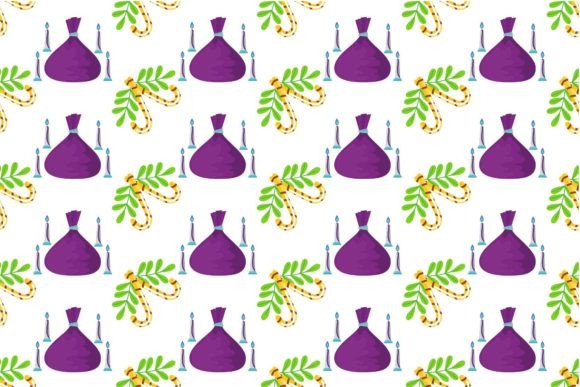
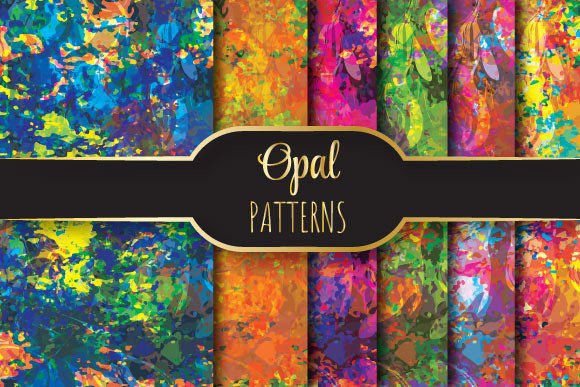
Opal Patterns are a collection of seamlessly repeating vector designs created specifically for digital and print applications. Each pattern is designed to tile perfectly without visible seams, making them perfect for backgrounds, textures, and decorative elements. The file format includes EPS 10 files and JPEGs, ensuring compatibility with both professional design software and basic image editors.
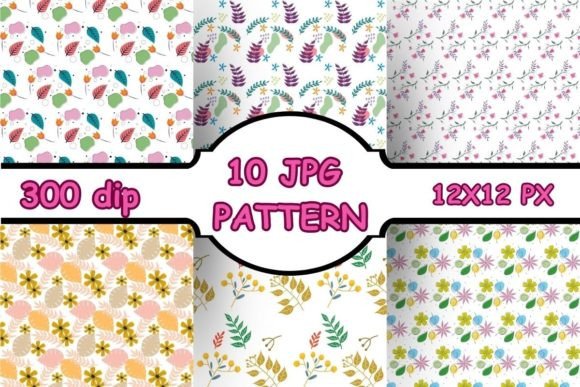
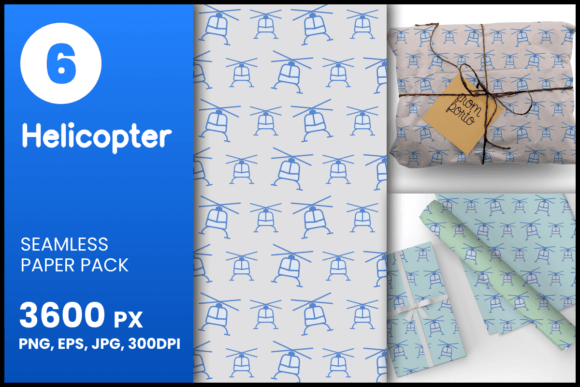
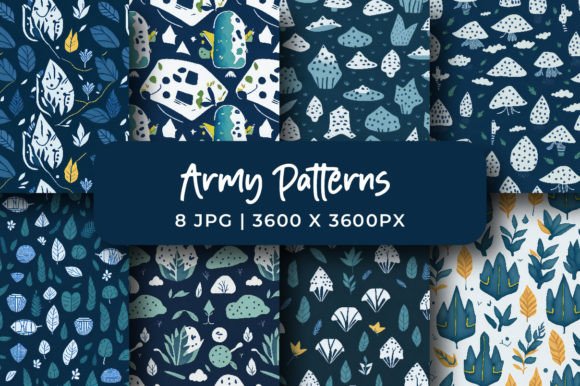
Each pattern is delivered at a resolution of 3600 x 3600 pixels, 300dpi, and sized at 12 x 12 inches. This ensures clarity and sharpness, even when printed at larger sizes. The zip file typically contains one EPS file and six JPEG variations, giving users flexibility depending on their project needs.
Common Mistakes When Using Opal Patterns
While Opal Patterns are versatile and user-friendly, there are several common mistakes people make when using them. Being aware of these can save time and prevent frustration.
- Ignoring File Format Compatibility: Not all design software supports EPS files, especially older versions. Always check the file format requirements of your design tools before downloading.
- Using Low-Resolution Images: Even though Opal Patterns come in high-resolution formats, some users opt for lower-quality JPEGs without realizing the impact on final output quality.
- Misunderstanding Seamless Tiling: Some patterns may not tile perfectly if not used correctly. Always test the pattern in your design software to ensure there are no visible seams.
- Overlooking Color Mode Settings: Designing in RGB versus CMYK can lead to color discrepancies when printing. Ensure your workflow matches the intended use case.
- Failing to Check Licensing Terms: Some Opal Pattern collections may have usage restrictions. Always review the licensing agreement before using the files commercially.
How These Mistakes Affect Your Work
Making these mistakes can lead to wasted time, poor results, and even legal issues. For instance, using an EPS file in a program that doesn't support it might result in distorted images or loss of vector data. Similarly, choosing low-resolution JPEGs can compromise the quality of your final product, especially when printed.
Ignoring seamless tiling can also be costly. If a background pattern has visible seams, it can detract from the overall aesthetic of your design. In commercial projects, this could mean reworking entire layouts or even losing client trust.
Practical Advice for Avoiding Mistakes
Here are some actionable tips to help you work effectively with Opal Patterns:
- Verify Software Compatibility: Before downloading any files, confirm that your design software supports EPS 10 format. If not, consider converting the file or using a compatible tool.
- Test Patterns in Isolation: Always preview the pattern in your design software to ensure it tiles seamlessly. This step can save you from last-minute revisions.
- Use High-Resolution Files: Stick to the 3600 x 3600 pixel files for print projects and select the appropriate JPEG quality for digital use.
- Review Licensing Agreements: Understand how you can use the patterns—whether for personal, commercial, or educational purposes. Some licenses may restrict certain uses.
- Organize Your Files: Keep your downloaded files in a structured folder system to avoid confusion. Label each pattern clearly for easy access.
What to Check Before Using Opal Patterns
Before diving into your design project, take a few moments to evaluate the following:
- Intended Use: Are you designing for print, web, or both? Choose the appropriate file format based on your needs.
- Color Mode: Ensure your design settings match the color mode (RGB or CMYK) required for your project.
- Pattern Scale: Test the pattern at different scales to see how it looks in various contexts. Some patterns may appear better at certain sizes.
- File Integrity: Download the files from a reliable source to avoid corrupted or incomplete downloads.
- Support and Resources: Look for tutorials, FAQs, or community forums related to Opal Patterns to get additional help if needed.
Conclusion
Opal Patterns offer a powerful toolset for designers of all levels. By understanding common mistakes and learning how to avoid them, you can maximize the potential of these resources. Whether you're a beginner or a seasoned professional, taking the time to prepare and plan your workflow will lead to better results and greater satisfaction with your projects.